When a filter becomes clogged with contaminants, a pressure drop develops across the filter as fluid can no longer pass through it freely. Once the pressure drop reaches a critical value, one of two things will happen. If the hydraulic filter setup includes a bypass valve, then the fluid will bypass the filter once the pressure drop has reached a critical point (usually about 3 bar). This effectively means that the fluid is no longer being filtered and any new contaminants are allowed to pass unhindered.
If the filter does not have a bypass valve, the pressure drop resulting from the clogged filter will increase until the filter element collapses and all the contaminants are free to continue on their way. Not only has the filtered contamination entered the system, but it has contaminated the filter itself. In some systems, the pressure drop can cause an extreme increase in pressure upstream of the hydraulic filter. If that pressure reaches high enough levels and if the filter does not collapse, other components in the system can be seriously damaged. This is one example of how not changing hydraulic filters can cause severe complications.
In addition to these two cases, there are two other issues that can arise:
Reduced component life: Contaminants in hydraulic fluids can damage internal components such as pumps and valves, reducing their lifespan. Clogged filters can lead to increased concentrations of contaminants, which can accelerate the wear and tear of these critical components.
Increased maintenance and repair costs: Clogged filters require more frequent maintenance, including more frequent filter replacements, system flushing, and component repairs or replacements. This can increase maintenance costs and reduce productivity due to downtime.
To prevent these issues from occurring, be sure to regularly inspect and replace your hydraulic filter according to the manufacturer's recommended maintenance schedule.
In conclusion, keeping hydraulic filters clean and unobstructed is critical to maintaining the proper performance and longevity of your hydraulic system. Regular maintenance and inspections can prevent costly repairs and safety risks and ensure that the system is operating efficiently and effectively.
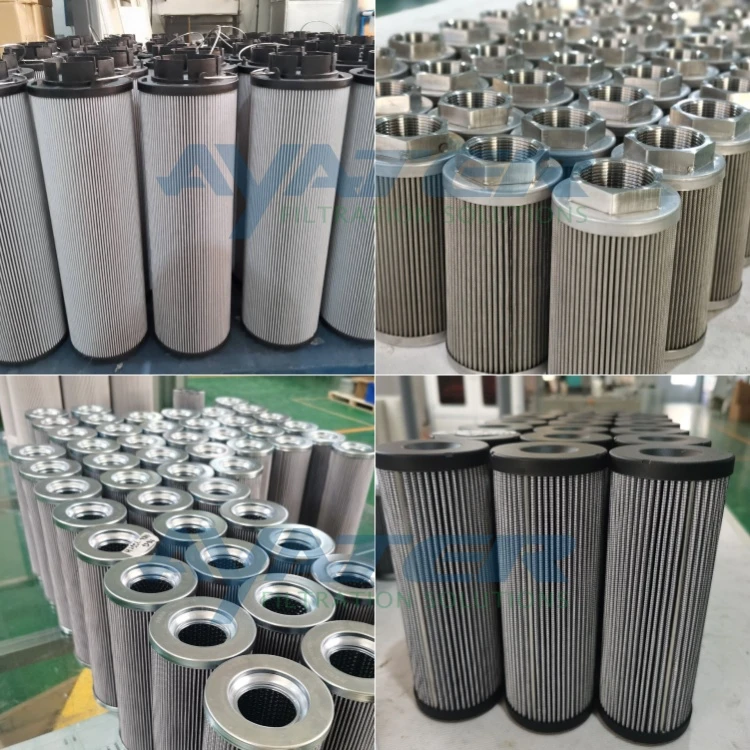
Ayater suggestion to help solve this problem
Preventative Maintenance Schedules for Changing Hydraulic Filters
It is far more economical to establish a proactive, routine schedule for changing hydraulic filters in your system than to let them fail.
Preventative maintenance for your hydraulic filters enables your machines to run at a much higher level of efficiency. It minimizes the downtime, and puts the hydraulic maintenance company in control of the timing.
Preventative maintenance of filters solves the clogged filter problem before it even starts, which in turn promotes the cleanliness of your hydraulic system. That alone is reason enough when you remember that hydraulic contamination is the primary cause of system failure. Keeping your system clean also helps it to retain its value and stay in service longer.


