Contamination is the leading cause of hydraulic system failure, accounting for over 70% of all breakdowns, according to industry studies. Ayater's filtration experts identify three primary sources of hydraulic oil contamination: internal generation, external ingress, and initial system contamination. Understanding these sources is critical to implementing effective contamination control strategies.
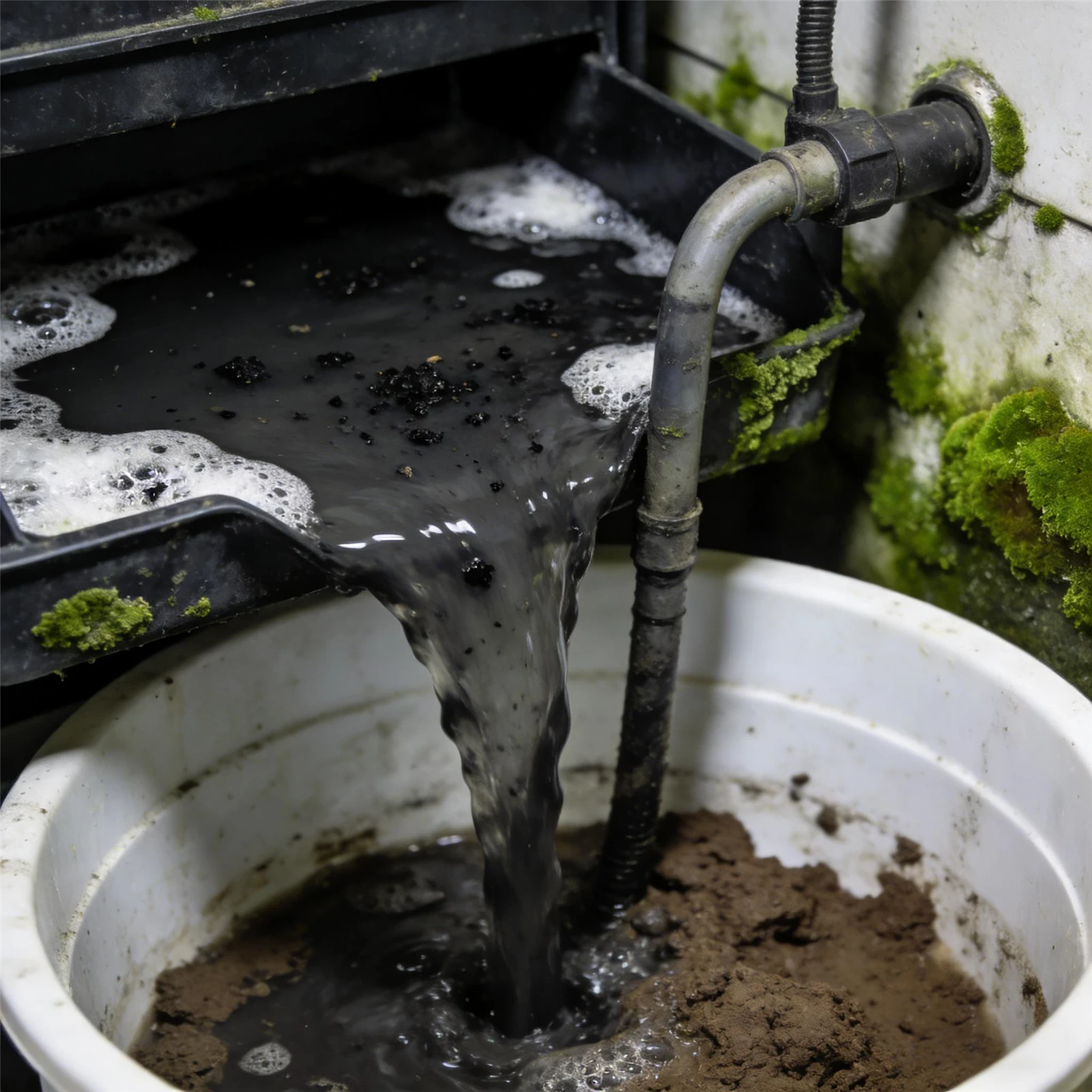
Internal contamination occurs as a result of normal system operation, with particles generated by wear of components like pumps, valves, and cylinders. Metal shavings, rubber particles from seals, and sludge from fluid degradation are common internal contaminants. For example, a worn hydraulic pump can generate thousands of sub-micron metal particles per minute, which can accelerate wear of other components and degrade hydraulic oil quality over time. High operating temperatures and fluid oxidation further exacerbate internal contamination by promoting sludge formation and seal degradation.
External contaminants enter the system through openings such as reservoir breathers, fill ports, and worn seals. Dust, dirt, moisture, and even bacteria can infiltrate the system, especially in harsh industrial environments like construction sites, mining operations, and offshore platforms. Moisture is a particularly damaging external contaminant, as it can cause rust and corrosion of metal components, degrade hydraulic oil viscosity, and promote bacterial growth, leading to fluid degradation and filter clogging.
New hydraulic systems or freshly serviced systems often contain initial contamination from manufacturing residues, assembly debris, or fluid contamination during filling. Even small amounts of initial contamination can cause significant wear to new components, making pre-commissioning filtration critical to ensuring long-term system reliability. Ayater recommends flushing new systems with high-efficiency filters before operation to remove initial contaminants.
Implementing a comprehensive contamination control program is essential to minimizing hydraulic system failure and extending filter and fluid service life. Ayater advocates a multi-layered approach that combines proper filtration, fluid management, and system maintenance to keep contamination levels within acceptable limits.
Multi-Stage Filtration Systems
A multi-stage filtration approach ensures that contaminants of all sizes are removed efficiently, reducing the load on individual filters and extending their service life. Typical stages include: 1) Prefiltration (30-50μm) to remove large particles, 2) Main filtration (1-20μm) to remove fine particles, and 3) Polishing filtration (1-5μm) for precision components. Ayater's multi-stage filtration systems are designed to work in tandem, with each filter stage targeting specific contaminant sizes to optimize overall filtration efficiency.
01
Reservoir Breather Filters
Reservoir breathers are critical for preventing external contamination from entering the system through the reservoir. Ayater's breather filters feature high-efficiency media to trap dust and moisture, with some models incorporating desiccants to absorb moisture from incoming air. This prevents moisture buildup in the reservoir and reduces the risk of fluid degradation and component corrosion.
02
Regular Fluid Analysis
Fluid analysis is a proactive tool for monitoring contamination levels, fluid quality, and component wear. Ayater recommends scheduling fluid analysis every 100-250 operating hours to measure particle counts (per ISO 4406), moisture content, viscosity, and metal content. This data helps identify potential issues early, such as excessive wear or moisture ingress, allowing for corrective action before system failure occurs.
03
Proper Fluid Storage & Handling
Contamination can occur during fluid storage and handling, so it is essential to store hydraulic oil in clean, sealed containers and use clean transfer equipment. Ayater advises filtering oil before adding it to the system, even if it is new, to remove any contaminants introduced during storage or transportation.
04
Maximizing filter efficiency not only improves contamination control but also reduces maintenance costs and extends system life. Ayater recommends the following strategies to optimize filter efficiency:
Over-sizing or under-sizing filters can compromise efficiency. An undersized filter will clog quickly, leading to bypass and contamination, while an oversized filter may be more expensive and less efficient at capturing small particles. Ayater's engineering team works with clients to select filters that match the system's flow rate, pressure, and cleanliness requirements, ensuring optimal efficiency and cost-effectiveness.
Filter media plays a critical role in efficiency, with microglass media offering higher filtration efficiency and dirt-holding capacity than traditional cellulose media. Ayater's high-efficiency microglass media captures sub-micron particles with 99.9% efficiency, while maintaining low pressure drop to minimize energy consumption. For moisture-prone applications, hydrophobic membrane media is used to remove free water without compromising particulate filtration.
Excessive pressure drop reduces system efficiency and can cause fluid bypass. To minimize pressure drop, Ayater designs filters with optimized media pleat geometry, which increases surface area and allows for higher flow rates with lower pressure drop. Regular maintenance, including timely filter replacement, also helps keep pressure drop within acceptable limits.
Predictive maintenance, using DP sensors and fluid analysis, allows for filter replacement based on actual condition rather than fixed schedules. This prevents premature replacement (reducing costs) and avoids late replacement (preventing system damage). Ayater's smart filter solutions integrate sensors that transmit real-time data to a central monitoring system, enabling predictive maintenance and maximizing filter efficiency.
|
Parameter |
AH-PRE Series (Prefiltration) |
AH-MAIN Series (Main Filtration) |
AH-POLISH Series (Polishing Filtration) |
AH-BREATHER Series (Reservoir Breather) |
|---|---|---|---|---|
|
Filter Type |
Prefiltration filter |
Main in-line filter |
Precision polishing filter |
Reservoir breather filter |
|
Filtration Media |
Cellulose pleated media |
Microglass/cellulose blend |
High-efficiency microglass |
Polyester media + desiccant (optional) |
|
Micron Rating (Absolute/Nominal) |
30μm, 50μm (nominal) |
5μm, 10μm, 20μm (absolute) |
1μm, 3μm, 5μm (absolute) |
1μm (absolute) for dust, 99.9% moisture removal |
|
Operating Pressure |
Max 160 bar (2320 psi) |
Max 420 bar (6000 psi) |
Max 350 bar (5075 psi) |
Atmospheric pressure |
|
Operating Temperature |
-10°C to +100°C (14°F to +212°F) |
-25°C to +130°C (-13°F to +266°F) |
-20°C to +120°C (-4°F to +248°F) |
-30°C to +80°C (-22°F to +176°F) |
|
Seal Material |
NBR |
Viton® (FKM), NBR |
Viton® (FKM) |
EPDM |
|
Flow Rate Capacity |
Up to 800 L/min (211 gpm) @ 25°C |
Up to 1000 L/min (264 gpm) @ 25°C |
Up to 500 L/min (132 gpm) @ 25°C |
Up to 500 L/hour air flow |
|
Dirt-Holding Capacity (DHC) |
Up to 1500 g (ISO 12103-1 A2 dust) |
Up to 900 g (ISO 12103-1 A2 dust) |
Up to 500 g (ISO 12103-1 A2 dust) |
Up to 200 g dust holding, 500 mL moisture holding |
|
Initial Pressure Drop |
< 0.2 bar (2.9 psi) @ nominal flow |
< 0.4 bar (5.8 psi) @ nominal flow |
< 0.5 bar (7.25 psi) @ nominal flow |
< 0.02 bar (0.29 psi) @ max air flow |
|
Housing Material |
Carbon steel (epoxy-coated) |
304/316 stainless steel, carbon steel |
316 stainless steel |
Polypropylene, aluminum |
|
Connection Type |
Flange (ANSI/EN), threaded |
Flange (ANSI/EN), threaded |
Threaded (BSPP/NPT), small flange |
Threaded (BSPP/NPT), bayonet mount |
|
Certifications |
ISO 9001, ISO 16232-10 |
ISO 9001, ISO 16232-10, REACH |
ISO 9001, ISO 16232-10, API 614 |
ISO 9001, REACH |
|
Recommended Applications |
Heavy-duty hydraulic systems, mining, construction |
Manufacturing machinery, hydraulic power units |
Servo systems, precision hydraulic circuits |
All hydraulic system reservoirs, especially moisture-prone environments |

Honor Certificate

ISO 14001

ISO 9001
CE


