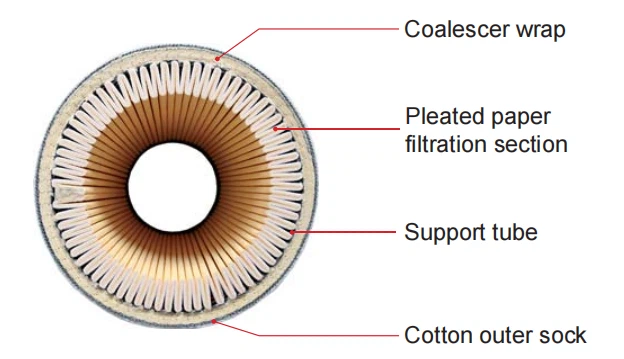
The primary function of hydraulic filters is to remove contaminants from hydraulic fluids, including particles, water, sludge, and debris. Contaminants can enter the system during manufacturing, assembly, maintenance, or normal operation, and even tiny particles (as small as a few micrometers) can cause severe wear to precision components like pumps, valves, and cylinders. By trapping these impurities, hydraulic filters prevent abrasive damage, reduce friction, minimize leakage, and avoid costly system failures. Additionally, high-quality filters help maintain the chemical stability and viscosity of hydraulic fluids, ensuring consistent system operation under varying temperature and pressure conditions.

Hydraulic filters are classified based on their installation location and purpose, with the following common types:
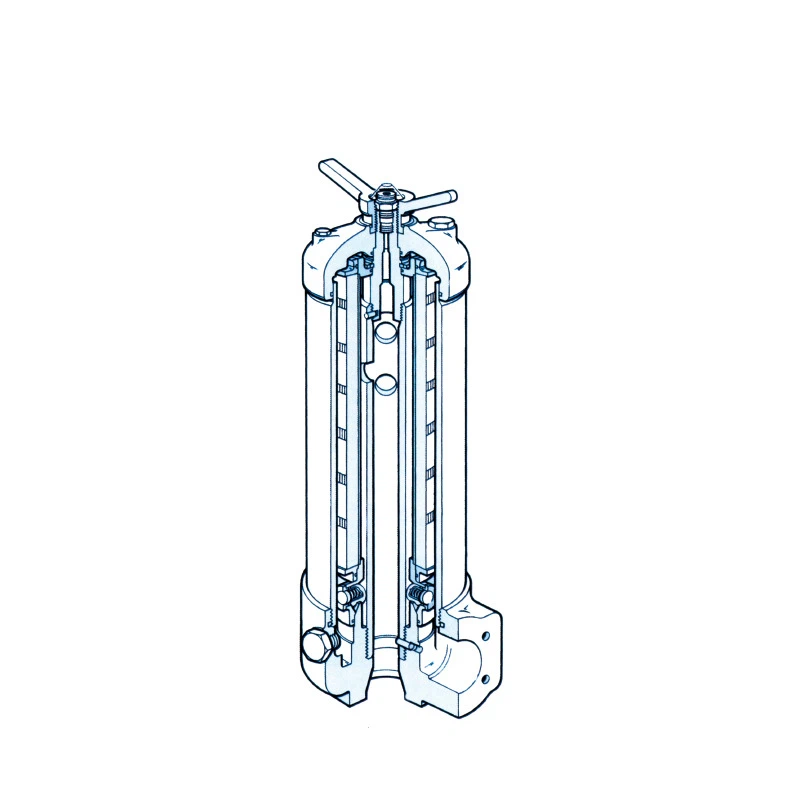
Return Line Filters: Installed in the return line of the hydraulic system, these filters clean fluid before it flows back to the reservoir. They handle high flow rates and are effective at removing contaminants generated during system operation. The UR319 Series from Pall Corporation is a typical example, designed to withstand harsh operating conditions with robust housing materials and efficient filtration media.
Pressure Line Filters: Positioned in the high-pressure line before fluid reaches critical components. They provide final filtration to protect sensitive parts from contamination but must endure high operating pressures (often exceeding 300 bar in industrial applications).
Suction Line Filters: Mounted on the suction side of the hydraulic pump, these filters prevent large particles from entering the pump, which is vulnerable to damage from solid contaminants. They typically have lower pressure drop to avoid pump cavitation.
Off-Line Filters (Kidney Loop Filters): Operate independently of the main hydraulic circuit, continuously filtering fluid from the reservoir. They are ideal for systems requiring ultra-clean fluid or those prone to high contamination levels.
When selecting hydraulic filters, several key specifications must be considered:
Filtration Rating: Indicates the smallest particle size the filter can effectively trap, usually measured in micrometers (μm). Ratings follow standards such as ISO 4406 (particle count) and ISO 16889 (filter performance). For example, a filter with a 10 μm absolute rating can capture 99.9% of particles 10 μm or larger.
Operating Pressure and Temperature: Filters must match the system's maximum operating pressure and temperature range. The UR319 Series, for instance, has a maximum operating pressure of 41 bar (600 psi) and a temperature range of -29°C to 120°C for petroleum-based fluids, ensuring compatibility with diverse industrial environments.
Flow Capacity: The maximum flow rate the filter can handle without exceeding allowable pressure drop. Insufficient flow capacity can lead to pressure buildup and reduced system efficiency.
Pressure Drop: The pressure loss across the filter when fluid flows through it. Excessive pressure drop indicates a clogged filter element, triggering differential pressure indicators to signal the need for replacement.
Housing and Seal Materials: Housing materials (e.g., ductile cast iron, carbon steel, aluminum) must resist corrosion and withstand system pressures, while seals (e.g., fluorocarbon, nitrile) ensure compatibility with hydraulic fluids and prevent leakage.
Proper maintenance of hydraulic filters is vital to ensure system performance and longevity:
Regular Element Replacement: Filter elements should be replaced at specified intervals (e.g., every 6 months for the UR319 Series) or when differential pressure indicators signal clogging. Reusing or cleaning disposable elements is not recommended, as it can compromise filtration efficiency and cause system contamination.
System Flushing: Before installing new filters or during maintenance, flush the hydraulic system to remove accumulated contaminants, preventing premature filter clogging.
Leak Inspection: Periodically check for leaks around filter housings, connections, and seals. Replace damaged O-rings or gaskets promptly to avoid fluid loss and contamination.
Proper Installation: Follow manufacturer guidelines for installation, including correct orientation, torque specifications for fasteners, and adequate clearance for element replacement. Ensure compatibility between filters, fittings, and hydraulic fluids to prevent system failures.
Monitoring Differential Pressure: Use differential pressure gauges or switches to monitor filter condition. Abnormal pressure spikes indicate potential issues such as media degradation or system contamination.
Hydraulic filters must adhere to international standards to ensure safety and performance:
ISO 4406: Establishes cleanliness codes for hydraulic fluids, specifying the maximum allowable particle count per milliliter at different particle sizes (e.g., 19/17/14 indicates ≤1300 particles of 4 μm, ≤400 particles of 6 μm, and ≤130 particles of 14 μm per milliliter).
ISO 16889: Defines test methods for evaluating filter performance, including filtration efficiency, dirt-holding capacity, and pressure drop.
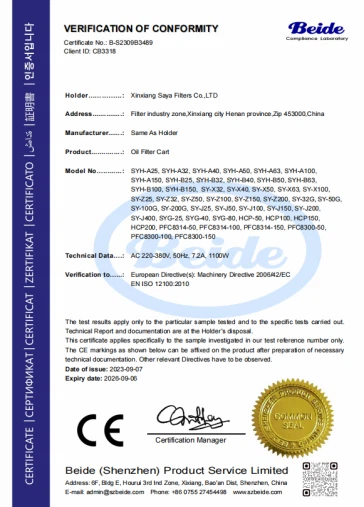
European Pressure Directive (97/23/EC): Regulates pressure equipment, including hydraulic filters, ensuring they meet safety requirements for use in industrial applications. Filters compliant with this directive are suitable for specific fluid groups and operating conditions.


The hydraulic filter industry is evolving to meet the growing demands of modern hydraulic systems:
Smart Filtration: Integration of sensors and IoT technology to enable real-time monitoring of filter condition, fluid cleanliness, and system performance. Smart filters can send alerts for element replacement, predict maintenance needs, and optimize system efficiency.
Eco-Friendly Solutions: Development of recyclable or biodegradable filtration media and housings to reduce environmental impact. Additionally, energy-efficient filters with lower pressure drop help minimize power consumption.
High-Pressure and High-Temperature Compatibility: As hydraulic systems operate at higher pressures and temperatures (e.g., in aerospace and heavy machinery), filters are being designed with advanced materials and structures to withstand these extreme conditions.
Compact and Lightweight Designs: Miniaturization of filter housings without compromising performance, catering to the trend of smaller, more efficient hydraulic systems in industries such as automotive and robotics.
In conclusion, hydraulic filters are indispensable for maintaining the reliability and efficiency of hydraulic systems. By understanding their functions, types, specifications, and maintenance requirements, industry professionals can select the right filters, optimize system performance, and reduce operational costs. As technology advances, hydraulic filters will continue to evolve, offering enhanced precision, durability, and smart monitoring capabilities to meet the ever-changing needs of industrial applications.


Click the link to quickly navigate to the product page:https://www.ayaterfilters.com/hydraulic-filter-element/
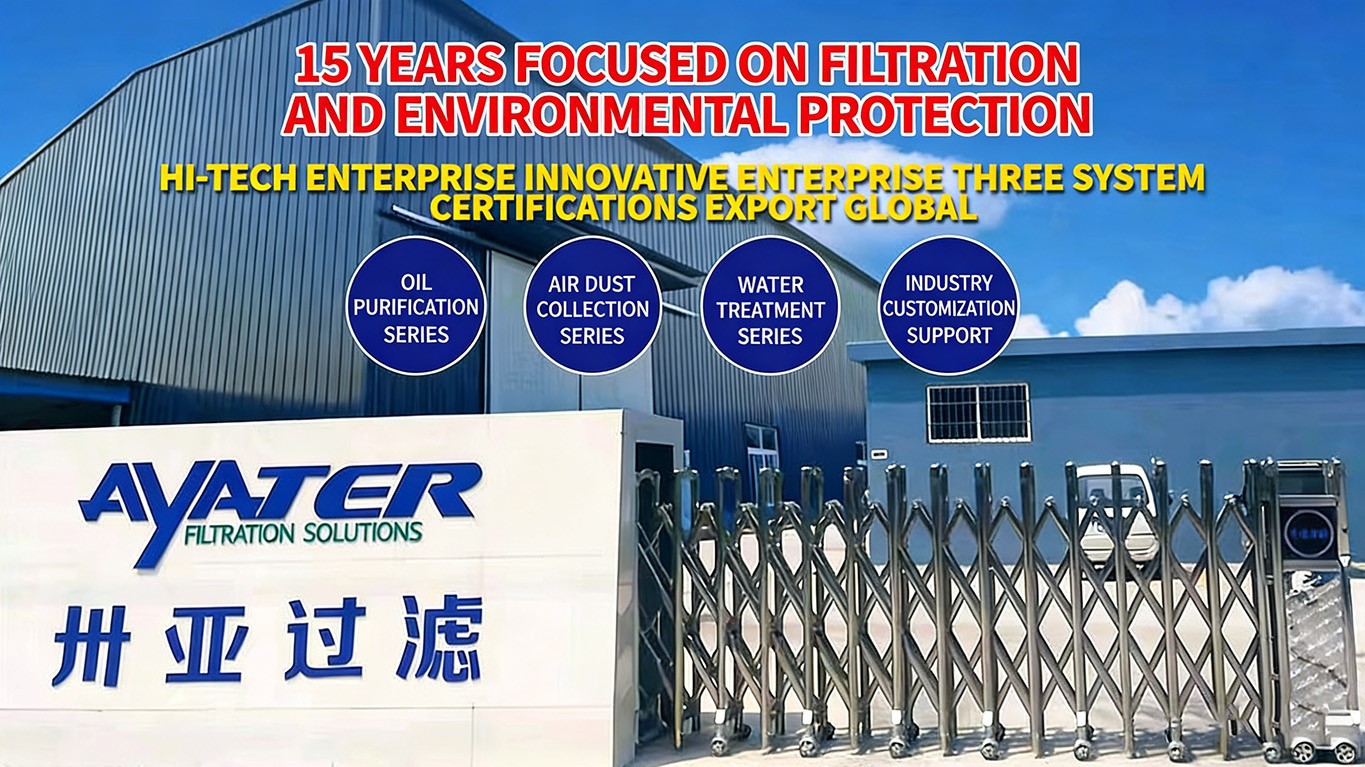
AYATER is a professional industrial filtration solutions provider based in Xinxiang, China. Specializing in R&D, production, and sales of high-performance filters, filter elements, and filtration systems, we serve industries including petrochemical, aerospace, power generation, and new energy.
Our products, certified with ISO9001 and SGS, are exported to 60+ countries, supported by advanced manufacturing facilities and a dedicated technical team. We deliver tailored filtration solutions, combining quality craftsmanship with innovative engineering, to meet global customers' purification needs.


